Table of Content
With some recycled materials, you can create your microphone and stand for your next recording session. This DIY mini microphone with stand tutorial is simple and easy. You just need to follow the step-by-step video guide and make your own.

This DIY project microphone has three main pros that store bought mics don't have. One of the best first DIY projects is to install a capsule into any inexpensive microphone. This task requires you to solder no more than three wires. Your knowledge and success is fully mirrored in how the microphone sounds after you modify it. Obviously, dynamic and condenser microphones have different purposes and capabilities. One such difference is condenser microphones aren't good for bass drums and things like that.
DIY Microphone from Woofer Speakers
Incase, flickr.comSo, we’ll look at two ways you can create your DIY microphone from the bits and pieces you have around. Hopefully, they’ll serve your purpose until you are able to buy a professional one. Building this microphone was very simple, it produces decent audio quality for the price and doesn't require a lot of skills to make. Shorten the leads of the battery holder and strip the ends. Solder the negative wire to the negative board strip . And solder the positive to a strip NEXT to the positive strip of the coax.

It is a great project to let your kids get started with singing and give them their stage. This project is perfect for the little musician who wants to sing like a pro. This DIY Boom Pole is a fantastic option for reporters looking for a mic stand! If you are looking for a mic stand for your news reporting needs, you should consider this fantastic option.
How to Make YouTube Mic at Home
This is due to the fact this pattern picks up a lot of what is in the front of the microphone while the vibrations from the back are not picked up. For a cheap $149, buy one-off beats by top producers to use in your songs. Engineers in the studio will set you up and guide you through the recording process.

Solder the two signal outputs of the 3.5mm headphone jack together (otherwise you will have a mono stereo signal ). Make sure you build your mic stand as good as possible. You can't be too secure because your mic is your baby and is fragile. You should be able to jump on your mic box and it holds you up . The big speaker towers are generally outdated and this makes them a cheap way to learn how to make your own microphones.
Step 4: Not Working
These speaker towers can even be found on the street during spring clean-up. For this project, the most useful woofers are the bass ones. These can be found in low, mid, and high speaker towers. You can essentially reverse engineer speakers into DIY projects. Today we'll be teaching everybody how to build a microphone using easy to access items. Many of these items can be purchased for cheap or easily found in your house.
A third of the US population are paying $120 a year on music streaming. It would be very inconvenient for you to constantly hold your mic in the direction it needs to be. Each microphone DIY kit comes with everything you need to make a microphone. You will get a mic body, all the necessary components and PCBs of your choice. You also will probably receive a large-diaphragm that you choose as well. Mastering is important because it makes your song sound perfect on all devices – in the car, your phone speaker and even on Spotify.
Step 6: YouTube Mic Is Ready
This would be the fragility of the speaker and its cone. If you are not using the mic, you need to store it in a safe place where it will not be in contact with anything or anyone. It would be sad to have your hard work and pride be ruined by an accident. Whatever you do, make sure you do not harm the speaker or the wires in any way. You will possibly have to start all over and find old speakers and the like again.
With just a few PVC pipes, a drill, pipe glue, and micing accessories, you can have your own like this. You want to see how well your mic is coming out at this stage so that you can retrace your steps if need be. Get your mixing board powered by phantom and plug the microphone to it. Hold the driver up to your bass guitar or another low-end instrument and listen for the signals.
If you require very professional mics, they’ll cost some bucks but will save you the time of making your own microphones. If you went through the entire article, you just learned how to create a microphone that you can connect to your PC and a low-frequency microphone. You may want to practice just to learn a few things about how microphones work. That’s definitely okay because it sparks up the creativity in you. You can also check around for other types of microphones you can get.
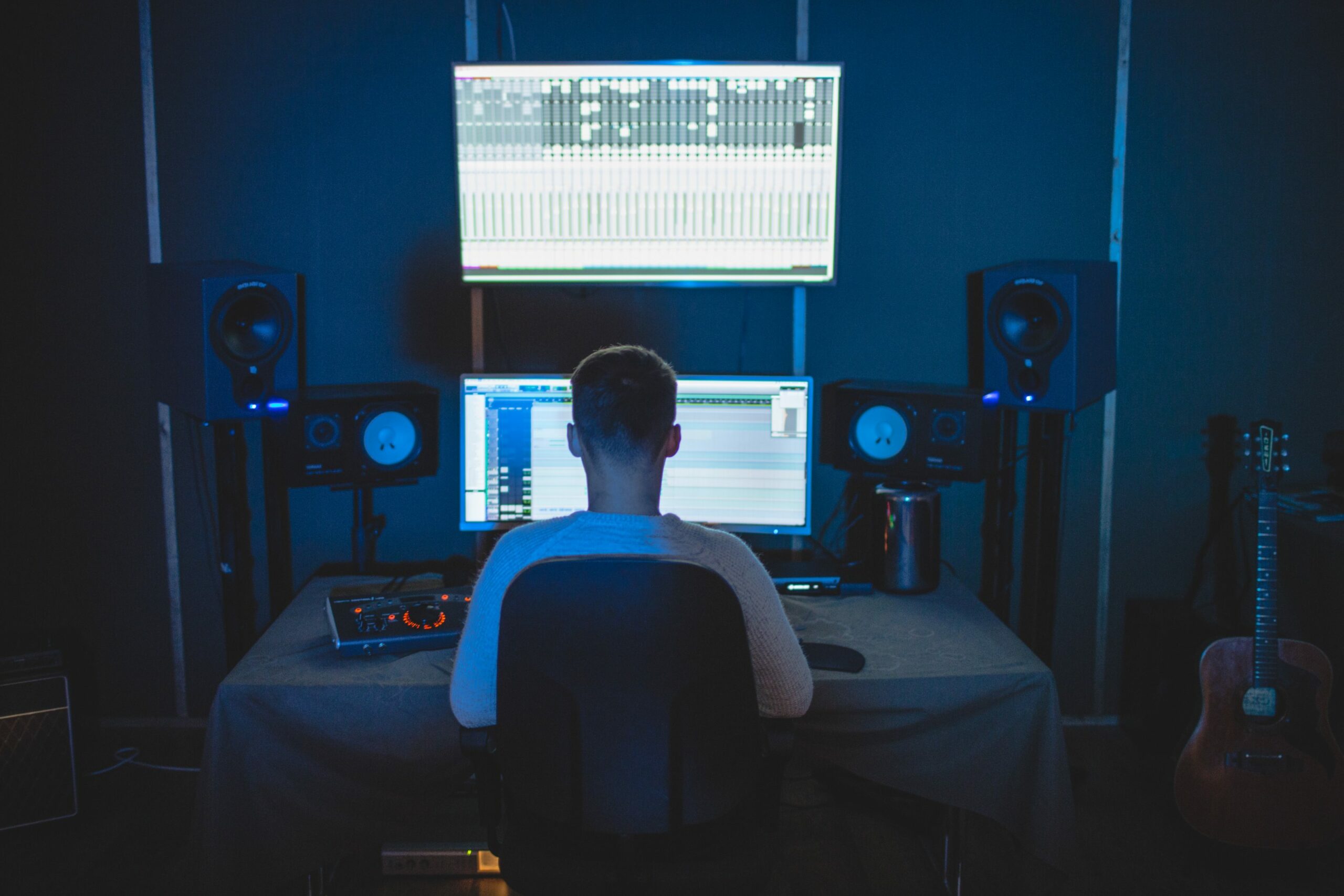
With your recorded vocals, your song is still not complete. A third of the US population is paying $120 a year on music streaming.
It uses cheap parts and requires very little skill to make. I have put together a video for how to make it which you can watch at the top of the page. If you are really good with tools you can use a saw and remove the original mount the speaker came with from the tower. This is one of the best jumping-off points for beginners who want a DIY microphone project. Gemtracks gives you priority access to exclusive A-Class recording studios around the world. Gemtracks has a directory of professional singers that can record a demo track for you.
Using an old tripod, the guide tackles how to make a mic stand without damaging your tripod to increase its uses and showcases how easy it is to do so. When you are setting up for a gig or a recording session and realize that you don't have a mic stand, this hack will come in handy. Instead of using the tripod for its intended purpose, why not use it as a mic stand? You can either use a tabletop tripod or the ones with legs. With these few steps, you will have your stand in no time. Get the cable of a microphone and unscrew the female end to expose three terminals that are soldered.


No comments:
Post a Comment